Education is Not Salvation
Wherein I remind myself to put first things first.
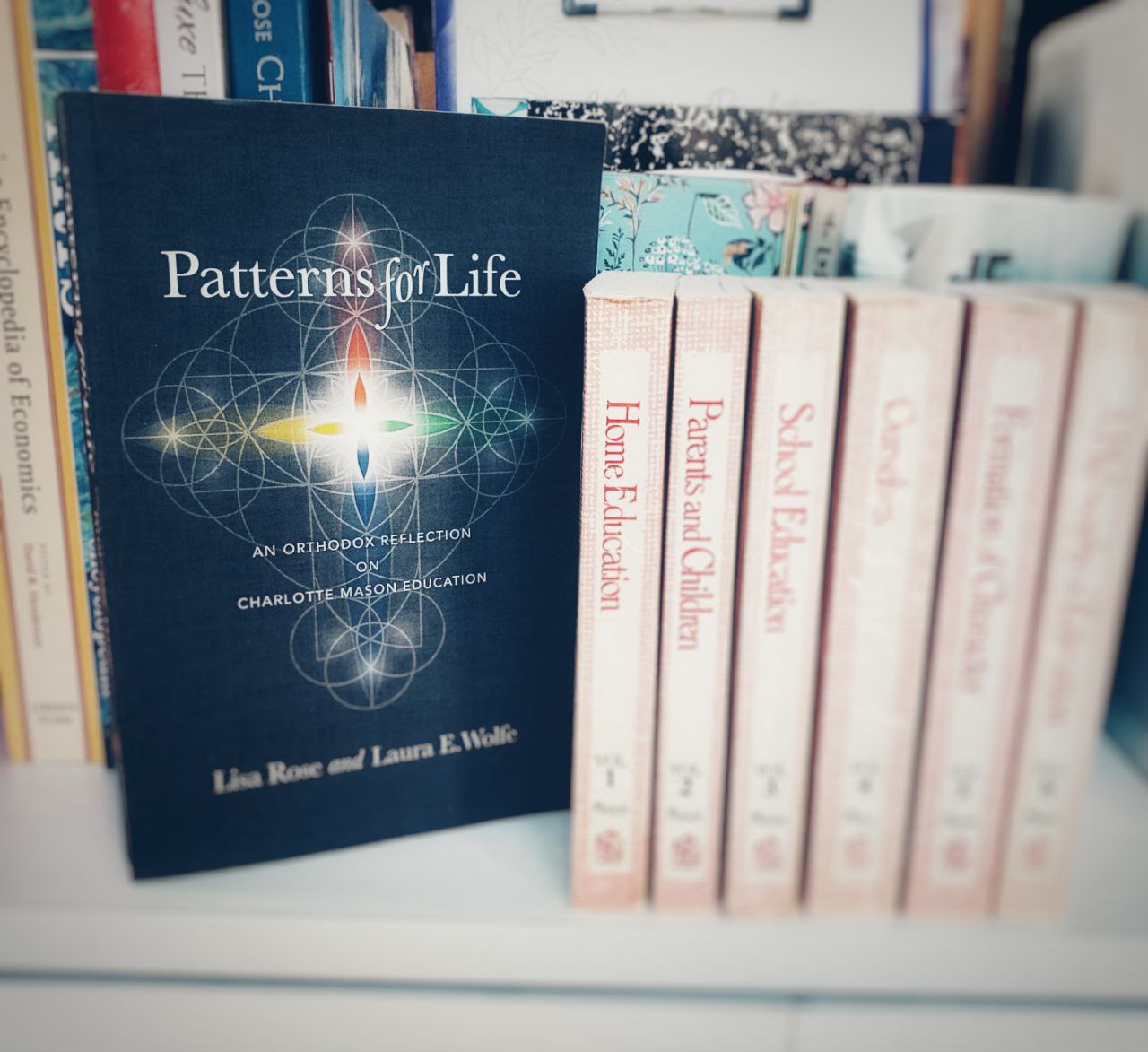
Education is not salvation.
Education does not have starting points nor ending points apart from birth and death. It does not take us from ignorance to knowledge or from foolishness to wisdom. It is neither situation specific nor location specific.
Education is the science of relations. It is the means through which we learn, but it is not the learned content itself. Education places us in contact with things, with persons, with ideas; it gives us the means by which we can relate to them — either rightly or wrongly — for better or for worse.
Education has the potential to engender wonder, curiosity, love, joy, awe, and reverence, but it also has the potential to breed disinterest, indifference, boredom, dislike, contempt, and arrogance. Education is a two-edged sword, capable of both great good and great evil depending on the hand that wields it.
We all have ideas about what a good education ought to look like, but we are also all bound by circumstances, by situations, by other people, by economics, by location. We all have limitations placed on our ability to bring our vision to life, some more than others, and when we find ourselves facing walls on every side it is all too easy to fall into the traps laid by guilt and despair, which we try to climb out of with the “help” of self-justification and judgement.
In fact, judgement comes just as often from those who have fewer limitations placed on their vision as it comes from those who have more. It rears its proud head on either side of the fence between the haves and the have-nots, or, if we can acknowledge more than a simple dichotomy, from every branch of the tree.
We judge those who choose differently than we have chosen, or those who seem to have more or fewer opportunities than we have, and we look down on them as though from the moral high ground, placing responsibility and blame where it may not rightly lay, while patting ourselves on the back for things that are more the result of happenstance or luck than we are comfortable admitting.
We also judge ourselves. We compare what we have and what we do with what others have and what others do, an assessment that often forgets or ignores the principle that children are born persons.
We perceive educational choices as laudable or pitiable based on personal inclination and preference, predicating that judgement on a false conception of education as a way to defend our children from the bogeymen of ignorance, or weirdness, or worldliness, or whatever evils we think we see lurking in the Other Options. We forget (or maybe we never knew) that education itself is not what saves, but is instead that which draws us out into relationships with God, with neighbor, with ideas, with embodied existence, whether for good or for ill.
So I repeat: Education is not salvation. And because it is not salvation we can breathe easier, knowing that much less weight rests on our educational choices (or impositions) than many would have us believe.
With the burden lifted we become more free to direct our efforts toward the one choice that truly carries the most weight: the way in which we relate.
Are we at home surrounded by rich resources and ample opportunity? The choice is ours: how will we relate to such abundance? Are we away from home every day, surrounded by other people who may be different from us? The choice is still ours: how will we relate to the people and circumstances we encounter? Are we able to send our children to the best classical schools? How do we relate to those who are not? Do we have the chance to join the perfect Charlotte Mason co-op? How do we relate those within it? Do we have the money and resources to do all the projects and take all the field trips? How do we relate to that money and those resources and the people they affect? Are we blessed with teachers who are doing their best and care for our children? How do we relate to them when they fall short? Are we restricted and having to learn how to do, and to be content, with less than or different? Do we know how to fast and how to feast well, or are we ungrateful for blessings and envious of those who have what we think we want?1
Education is not salvation, but education is the science of relations. Rather than judging others and ourselves as if educational choice were THE determining factor that either delivers or condemns a person, let us not forget that “…all things work together for good to those who love God, to those who are called according to His purpose.”2 Notice that we are called to love God — to relate rightly to Him — and then all things will do the rest of the work at His discretion, not ours.
It is not our job to save our children. It is also not the job of education to save our children. Education has a purpose, but salvation is not it. There is one Savior, Jesus Christ, and the most important thing we can ever do, both for ourselves and for our children, is to focus all our efforts on loving Him well — on relating to Him rightly — and then, truly, all things will work together for good.
All these questions and more end up putting the spotlight on us as parents and educators. The way we relate to all the people and all the things will inevitably have a direct and significant impact on the children in our charge. We will have a lot more to say on this in future posts so stay tuned!
Romans 8:28